Create an Account

Koszyk

Zamknij

Brak produktów w koszyku.

Digital Fairness in the Age of Big Tech

19 marca 2026
Posted by

Why regulators, consumers and smaller companies are demanding change now

1. The Current Landscape

In many countries around the world, questions are mounting about how large digital platforms and big tech companies operate. A recent survey by Ipsos across 30 countries found that “digital fairness” is a growing concern—unfair practices in digital markets are seen as a serious challenge. :contentReference[oaicite:2]{index=2}

What this means in practice: issues such as platform dominance, opaque algorithms, data-privacy practices, and unequal access for smaller players. These are no longer niche tech concerns—they are moving into the public policy arena.

2. Why It Matters Now

Trust in digital markets is eroding. When people believe that platforms favour themselves or unfairly disadvantage others, the incentives to participate fairly decline. This can suppress innovation and reduce competition.

Additionally, digital technology is increasingly entwined with everyday life—from shopping and work to social connection and civic engagement. Hence, how the rules are framed has large societal implications.

Regulators are responding. For example, in the European Union, newer laws are being proposed or enforced to ensure fairness in digital markets. The survey by Ipsos helps illustrate how the public perceives these issues globally. :contentReference[oaicite:3]{index=3}

3. Key Challenges and Tensions

  • Platform power vs. free competition: When a few platforms control large portions of the ecosystem (apps, marketplaces, ad services), smaller companies may struggle to compete on equal terms.
  • Transparency and algorithmic fairness: How do we ensure that the decisions made by algorithms (e.g., content ranking, recommendation, ad targeting) are fair and explainable?
  • Global vs. local regulation: Digital platforms operate across borders. National regulation may not be sufficient; global coordination is difficult.
  • User data and privacy: Fairness also intersects with how user data is collected, used and monetised. Are users aware? Are they treated equitably?

4. What This Means for You (and Me)

From a consumer or user perspective, this trend means you should be more aware of:

  • Which platforms you use and how they treat your data.
  • Whether smaller or alternative services could offer better value or fairness.
  • How to engage critically: ask questions like “Why is this product recommended to me?” or “What business model is behind this service?”

For professionals (including those working in digital marketing, SEO, content or tech), the implications are also big: strategy may need to adapt to new rules on platform access, data usage, and competition. Understanding the shift toward fairness could create opportunities for differentiation.

5. Looking Ahead

We are likely to see several developments:

  1. More regulatory action internationally, especially in regions like the EU and possibly Asia-Pacific.
  2. Increased pressure on big tech companies to demonstrate fairness, transparency and enable smaller players.
  3. Emergence of new platforms and services that promote fairness as a core value (which might appeal to users tired of being “just another data point”).
  4. Growing public expectation that digital participation comes with rights and responsibilities—fair access, choice, and clarity.

For anyone interested in digital culture, business trends or societal change, this is a moment to watch: the era of “unquestioned platform power” may be shifting toward a more balanced model.

Kontynuuj czytanie No Comments

Digital Fairness in the Age of Big Tech

19 marca 2026
Posted by

Why regulators, consumers and smaller companies are demanding change now

1. The Current Landscape

In many countries around the world, questions are mounting about how large digital platforms and big tech companies operate. A recent survey by Ipsos across 30 countries found that “digital fairness” is a growing concern—unfair practices in digital markets are seen as a serious challenge. :contentReference[oaicite:2]{index=2}

What this means in practice: issues such as platform dominance, opaque algorithms, data-privacy practices, and unequal access for smaller players. These are no longer niche tech concerns—they are moving into the public policy arena.

2. Why It Matters Now

Trust in digital markets is eroding. When people believe that platforms favour themselves or unfairly disadvantage others, the incentives to participate fairly decline. This can suppress innovation and reduce competition.

Additionally, digital technology is increasingly entwined with everyday life—from shopping and work to social connection and civic engagement. Hence, how the rules are framed has large societal implications.

Regulators are responding. For example, in the European Union, newer laws are being proposed or enforced to ensure fairness in digital markets. The survey by Ipsos helps illustrate how the public perceives these issues globally. :contentReference[oaicite:3]{index=3}

3. Key Challenges and Tensions

  • Platform power vs. free competition: When a few platforms control large portions of the ecosystem (apps, marketplaces, ad services), smaller companies may struggle to compete on equal terms.
  • Transparency and algorithmic fairness: How do we ensure that the decisions made by algorithms (e.g., content ranking, recommendation, ad targeting) are fair and explainable?
  • Global vs. local regulation: Digital platforms operate across borders. National regulation may not be sufficient; global coordination is difficult.
  • User data and privacy: Fairness also intersects with how user data is collected, used and monetised. Are users aware? Are they treated equitably?

4. What This Means for You (and Me)

From a consumer or user perspective, this trend means you should be more aware of:

  • Which platforms you use and how they treat your data.
  • Whether smaller or alternative services could offer better value or fairness.
  • How to engage critically: ask questions like “Why is this product recommended to me?” or “What business model is behind this service?”

For professionals (including those working in digital marketing, SEO, content or tech), the implications are also big: strategy may need to adapt to new rules on platform access, data usage, and competition. Understanding the shift toward fairness could create opportunities for differentiation.

5. Looking Ahead

We are likely to see several developments:

  1. More regulatory action internationally, especially in regions like the EU and possibly Asia-Pacific.
  2. Increased pressure on big tech companies to demonstrate fairness, transparency and enable smaller players.
  3. Emergence of new platforms and services that promote fairness as a core value (which might appeal to users tired of being “just another data point”).
  4. Growing public expectation that digital participation comes with rights and responsibilities—fair access, choice, and clarity.

For anyone interested in digital culture, business trends or societal change, this is a moment to watch: the era of “unquestioned platform power” may be shifting toward a more balanced model.

Kontynuuj czytanie No Comments

Masajes abdominales para embarazadas: ¿conoces todos sus beneficios?

19 marca 2026
Posted by

Masajes abdominales para embarazadas: ¿conoces todos sus beneficios?

Masajear la zona abdominal de una mujer embarazada mejora su bienestar físico y mental, y también puede ayudar durante el parto. ¿Cómo se debe hacer? ¿Cuándo se recomienda? ¿Cuáles son sus beneficios durante el embarazo?

¿Qué molestias puede aliviar durante el embarazo?

El masaje abdominal alivia las molestias en el pubis, la espalda, las costillas, la zona lumbar… Todas aquellas que se derivan del esfuerzo que realiza el abdomen para adaptarse a los grandes cambios del embarazo, donde se produce una gran “mejora corporal y postural de la mujer, facilitada por la fecundación hormonal y las necesidades posturales del bebé”, explica el especialista.

Además, la obstrucción pélvica, la sensación de tensión en la zona perineal o la presión del bebé al encajarse son muy comunes hacia el final del embarazo. Este masaje puede ser muy útil en estos casos.

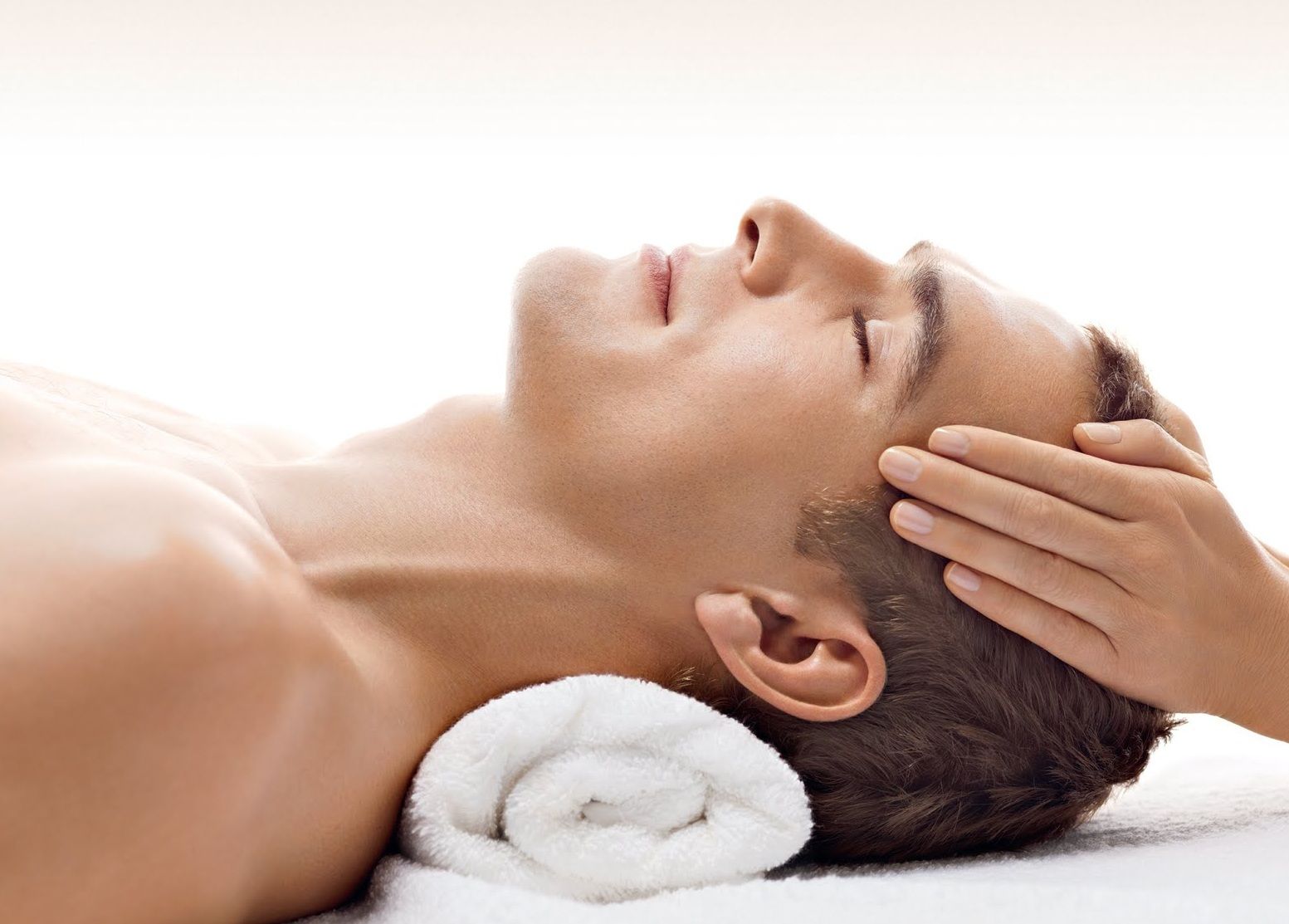
También puede ayudar a mejorar la capacidad respiratoria de la mujer, que disminuye a medida que crece el vientre, lo que compromete el espacio torácico y provoca que muchas mujeres experimenten falta de aire y dificultad para respirar.puedes encontrar más aquí masaje prenatal valencia de nuestros artículos «Mediante el masaje abdominal, trabajamos con el diafragma para aliviar esta sensación», enfatiza. Todo esto se suma a la ayuda que brinda a las mujeres embarazadas para mantener su capacidad en sus actividades diarias y a «aumentar los niveles de oxitocina, gracias a la calma y el bienestar que proporciona el masaje».

¿Cómo ayuda durante el parto?
El masaje abdominal no solo es valioso durante el embarazo, sino que también es útil en relación con el parto. Como aclara Alicia de Benito (@pelvismolonas_ en Instagram), «Ayuda a tener un parto mucho mejor al reducir la tensión en los músculos abdominales (fundamental en las características del parto)».

A veces, este tipo de masaje también ayuda a que un bebé en presentación de nalgas se dé la vuelta. «Una de las causas principales de la presentación de nalgas es el tono muscular excesivo en los abdominales», explica. «Esta tensión limita el movimiento del bebé y, por lo tanto, dificulta que se dé la vuelta». El masaje abdominal busca aliviar esta tensión y favorecer el movimiento fetal para que el bebé pueda colocarse correctamente con la cabeza hacia abajo.

¿Cuándo empezar y hasta cuándo se recomienda?

El masaje abdominal forma parte de un tratamiento personalizado en el que primero se evalúa a la futura madre para conocer sus características anatómicas y las adaptaciones que está experimentando su cuerpo.

¿Cuándo se puede realizar? El masaje abdominal generalmente comienza en el segundo trimestre del embarazo. «En el primer trimestre, el abdomen no ha crecido lo suficiente y los mareos y las náuseas son mucho más frecuentes, por lo que evitamos mover la zona abdominal para evitar más molestias», explica la fisioterapeuta de Yummy Mommy.

¿Hasta cuándo se recomienda? En el segundo y tercer trimestre se puede realizar en cualquier momento, hasta el final del embarazo, «incluso cuando el cuello uterino comienza a ablandarse, acortarse o dilatarse; no hay problema en continuar realizándolo, ya que no afecta el inicio del parto».

¿Existen contraindicaciones? Si se considera que el embarazo es de riesgo, es necesario consultar con un profesional médico para determinar si es apropiado realizar el masaje, según cada caso particular. Sin embargo, como norma general, no existen contraindicaciones. «En los casos en que observamos que el bebé se mueve mucho más de lo normal o que sus hábitos cambian, interrumpimos la terapia de masaje, no por ninguna contraindicación, sino para no interrumpirla», subraya.

¿Cómo se realiza la terapia de masaje abdominal?

El masaje abdominal se realiza mediante técnicas manuales y puede ir acompañado de un aceite natural.

Antes de comenzar, pedimos la aprobación de la futura madre, colocamos las manos sobre su abdomen y esperamos unos segundos a que el bebé se adapte, explica la experta. Después, comenzamos con movimientos muy suaves y lentos, aplicando tracción manual desde el exterior hacia el interior para estimular los músculos abdominales (ya que el abdomen se estira mucho durante el embarazo).

La presión y la tracción se ajustan según la zona que se esté tratando. De hecho, el masaje abdominal se complementa con ejercicios de flexibilidad para las costillas, la espalda y la pelvis, así como con ejercicios de activación muscular, necesarios para potenciar sus beneficios.

La posición ideal para realizar este ejercicio es con la mujer acostada boca arriba (se coloca una almohadilla bajo las rodillas para evitar la presión en la zona lumbar), pero si no se siente cómoda, puede realizarse de lado, posición en la que también se trabajan todos los músculos de la espalda.

«La idea es que este masaje sea placentero para la embarazada, que sienta libertad y alivio al recibirlo, pero en ningún caso molestias», destaca el experto.

Kontynuuj czytanie No Comments

Что такое аюрведический массаж? – Аюрведический массаж в Валенсии

17 marca 2026
Posted by

Что такое аюрведический массаж? - Аюрведический массаж в Валенсии

Аюрведический массаж — это древняя система традиционной индийской массажной терапии, считающаяся одним из самых ранних методов восстановления и регенерации в мире. Эта массажная терапия основана на философии Аюрведы, которая стремится к достижению гармонии тела, ума и души. Аюрведический массаж не только помогает расслабить мышцы и снизить стресс и тревогу, но также улучшает кровообращение, пищеварение и способствует общему оздоровлению.

Идеология Аюрведы

Философия Аюрведы — это древнее знание, которое пронизывает все аспекты жизни, от физического здоровья до духовных знаний. Она основана на особом понимании человеческой природы и её взаимодействия с внешним миром.

Философия Аюрведы основана на убеждении, что здоровье является результатом баланса между тремя дошами — вата, питта и капха — или тремя органическими силами, определяющими физическое и эмоциональное состояние человека. Любое несоответствие между этими элементами приводит к болезням.

Аюрведическая философия признает уникальность каждого человека и подчеркивает важность индивидуального подхода к лечению и профилактике заболеваний.Я прочитал статью об этом аюрведа массаж Из нашей статьи Она учитывает индивидуальные характеристики каждого человека, его конституцию (дошу), эмоциональные качества и условия жизни.

Согласно аюрведической философии, люди существуют в гармонии с природой, и их здоровье и благополучие зависят от того, насколько хорошо они поддерживают эту гармонию. Поэтому крайне важно не только бороться с проблемами со здоровьем, но и предотвращать их, поддерживая баланс между телом, разумом и душой.

Идеология Аюрведы вдохновляет нас на стремление к гармонии во всех сферах жизни, развитие сознания и осознанный выбор, способствующий нашему здоровью и благополучию. Она учит нас быть в гармонии с собой, окружающим миром и планетарными факторами, открывая путь к глубокому пониманию себя и Вселенной.

История аюрведического массажа: от древних времен до современности

Одной из основных древних практик Аюрведы является аюрведический массаж, имеющий глубокие корни в индийской культуре и клинических научных исследованиях. Его история насчитывает тысячи лет и связана с древними посланиями и духовными библиями, определяющими подходы к восстановлению и поддержанию здоровья.

Аюрведический массаж берет свое начало в Ведах, древних индийских текстах, написанных более 5000 лет назад. Веды содержат информацию о различных методах лечения, включая массажную терапию, которая считается частью целостного подхода к поддержанию здоровья и баланса в организме.

В эпоху индийского Возрождения аюрведическая медицина и практика массажной терапии были еще более развиты и систематизированы. Были созданы специальные колледжи и программы обучения для предоставления знаний и навыков в области аюрведического массажа.

Аюрведический массаж в последнее время стал широко популярен не только в Индии, но и во многих странах мира. Его подходы и методы вошли в альтернативную и комплементарную медицину, используются для лечения и профилактики многочисленных заболеваний, а также для общего оздоровления.

Виды аюрведического массажа

Существует несколько видов аюрведического массажа, каждый из которых имеет свои особенности и методы. Рассмотрим некоторые из них:

Абхьянга

Абхьянга — один из наиболее популярных и распространенных видов аюрведического массажа. Он выполняется с использованием теплого масла, которое втирается по всему телу, с особым акцентом на ключевые точки и меридианы. Абхьянга способствует улучшению кровообращения, снятию напряжения, укреплению мышц и суставов, а также улучшению общего состояния кожи.

Марма

Марма — это аюрведическая методика массажной терапии, основанная на воздействии на определенные точки тела, называемые мармами. Эти точки считаются важными для энергетического баланса и здоровья. Массаж Марма способствует внутренним процессам организма, улучшает психоэмоциональное здоровье и общее самочувствие.

Широдхара

Широдхара — это аюрведический массаж, при котором теплое масло равномерно наносится на лоб. Этот вид массажной терапии способствует глубокому расслаблению, снятию тревоги, улучшению сна и укреплению нервной системы. Широдхара также используется для очищения и тонизирования кожи лица.

Мукха Абхьянга

Мукха Абхьянга — это аюрведический массаж лица, разработанный для улучшения состояния кожи, повышения уровня мышечной ткани и ускорения восстановления. Он выполняется с использованием различных масел и натуральных смесей, которые питают и увлажают кожу, улучшают цвет лица и уменьшают морщины.

Нетра Тарпана

Нетра Тарпана — это аюрведический массаж глаз, который помогает снять усталость, напряжение и стресс в глазных мышцах. Процедура выполняется с использованием теплого масла или лечебных компрессов на глаза, которые увлажняют и питают клетки глаз, улучшают зрение и устраняют раздражение.

Кижи

Кижи — это аюрведический метод массажа, выполняемый с использованием специальных натуральных мешочков, наполненных лекарственными травами и специями. Этот вид массажа помогает снять мышечное напряжение, улучшить кровообращение, очистить организм от токсинов и способствует общему оздоровлению.

Кастивасти

Кастивасти — это аюрведическая процедура, при которой теплые масляные компрессы накладываются на определенные части тела. Эта техника помогает улучшить кровообращение, уменьшить отеки, укрепить суставы и мышцы, а также улучшить общее состояние здоровья.

Каждый вид имеет свои преимущества, и выбор конкретного вида зависит от целей лечения и потребностей клиента. При выполнении аюрведического массажа крайне важно придерживаться соответствующей стратегии и учитывать индивидуальные особенности каждого человека.

Преимущества аюрведического массажа

Аюрведический массаж — это не просто способ расслабления и ухода за телом, но и мощный инструмент для укрепления здоровья и балансировки организма. Ниже перечислены некоторые из основных преимуществ аюрведического массажа:

  • Улучшение кровообращения: Массаж улучшает кровообращение, что способствует поступлению кислорода и питательных веществ к клеткам организма. Это помогает укрепить иммунную систему организма и ускорить регенерацию клеток.
  • Снятие стресса, тревоги и напряжения: Аюрведический массаж обладает мощными расслабляющими свойствами, которые помогают снять стресс, усталость и напряжение после долгого рабочего дня или периода психологического стресса и тревоги.
  • Улучшение сна: Регулярные сеансы аюрведического массажа могут улучшить качество сна. Глубоко расслабляющий эффект массажа может помочь уменьшить бессонницу и нарушения сна.
  • Повышение энергии и жизненной силы: Массаж стимулирует энергетические меридианы и точки на теле, что приводит к повышению жизненной силы и энергии. Это помогает бороться с расстройствами и апатией.
  • Очищение организма: Аюрведический массаж помогает активизировать лимфатическую систему и выводить токсины из организма. Это помогает очистить организм от отходов и токсинов, ускорить метаболизм и укрепить иммунную систему.

Регулярные сеансы аюрведического массажа могут значительно улучшить общее самочувствие, укрепить тело и помочь достичь гармонии между телом, разумом и духом.

Вердикт

Как правильно выполнять аюрведический массаж и какой метод выбрать? Важно помнить, что это не просто лечение; это искусство, которое приносит глубокое внутреннее благополучие и стабильность. Каждое прикосновение наполнено любовью и заботой, каждое движение направлено на восстановление баланса и очищение сердца и души.

Аюрведический массаж — это богатое наследие древней индийской культуры и клинических научных исследований. Его история отражает глубокое понимание тела и потребность в гармонии и равновесии как в физическом, так и в духовном плане. Сегодня аюрведический массаж продолжает оставаться средством поддержания здоровья и хорошего самочувствия людей во всем мире. Он помогает людям обрести гармонию с природой и восстановиться на всех уровнях.

Kontynuuj czytanie No Comments

Digital Fairness in the Age of Big Tech

16 marca 2026
Posted by

Why regulators, consumers and smaller companies are demanding change now

1. The Current Landscape

In many countries around the world, questions are mounting about how large digital platforms and big tech companies operate. A recent survey by Ipsos across 30 countries found that “digital fairness” is a growing concern—unfair practices in digital markets are seen as a serious challenge. :contentReference[oaicite:2]{index=2}

What this means in practice: issues such as platform dominance, opaque algorithms, data-privacy practices, and unequal access for smaller players. These are no longer niche tech concerns—they are moving into the public policy arena.

2. Why It Matters Now

Trust in digital markets is eroding. When people believe that platforms favour themselves or unfairly disadvantage others, the incentives to participate fairly decline. This can suppress innovation and reduce competition.

Additionally, digital technology is increasingly entwined with everyday life—from shopping and work to social connection and civic engagement. Hence, how the rules are framed has large societal implications.

Regulators are responding. For example, in the European Union, newer laws are being proposed or enforced to ensure fairness in digital markets. The survey by Ipsos helps illustrate how the public perceives these issues globally. :contentReference[oaicite:3]{index=3}

3. Key Challenges and Tensions

  • Platform power vs. free competition: When a few platforms control large portions of the ecosystem (apps, marketplaces, ad services), smaller companies may struggle to compete on equal terms.
  • Transparency and algorithmic fairness: How do we ensure that the decisions made by algorithms (e.g., content ranking, recommendation, ad targeting) are fair and explainable?
  • Global vs. local regulation: Digital platforms operate across borders. National regulation may not be sufficient; global coordination is difficult.
  • User data and privacy: Fairness also intersects with how user data is collected, used and monetised. Are users aware? Are they treated equitably?

4. What This Means for You (and Me)

From a consumer or user perspective, this trend means you should be more aware of:

  • Which platforms you use and how they treat your data.
  • Whether smaller or alternative services could offer better value or fairness.
  • How to engage critically: ask questions like “Why is this product recommended to me?” or “What business model is behind this service?”

For professionals (including those working in digital marketing, SEO, content or tech), the implications are also big: strategy may need to adapt to new rules on platform access, data usage, and competition. Understanding the shift toward fairness could create opportunities for differentiation.

5. Looking Ahead

We are likely to see several developments:

  1. More regulatory action internationally, especially in regions like the EU and possibly Asia-Pacific.
  2. Increased pressure on big tech companies to demonstrate fairness, transparency and enable smaller players.
  3. Emergence of new platforms and services that promote fairness as a core value (which might appeal to users tired of being “just another data point”).
  4. Growing public expectation that digital participation comes with rights and responsibilities—fair access, choice, and clarity.

For anyone interested in digital culture, business trends or societal change, this is a moment to watch: the era of “unquestioned platform power” may be shifting toward a more balanced model.

Kontynuuj czytanie No Comments

Digital Fairness in the Age of Big Tech

13 marca 2026
Posted by

Why regulators, consumers and smaller companies are demanding change now

1. The Current Landscape

In many countries around the world, questions are mounting about how large digital platforms and big tech companies operate. A recent survey by Ipsos across 30 countries found that “digital fairness” is a growing concern—unfair practices in digital markets are seen as a serious challenge. :contentReference[oaicite:2]{index=2}

What this means in practice: issues such as platform dominance, opaque algorithms, data-privacy practices, and unequal access for smaller players. These are no longer niche tech concerns—they are moving into the public policy arena.

2. Why It Matters Now

Trust in digital markets is eroding. When people believe that platforms favour themselves or unfairly disadvantage others, the incentives to participate fairly decline. This can suppress innovation and reduce competition.

Additionally, digital technology is increasingly entwined with everyday life—from shopping and work to social connection and civic engagement. Hence, how the rules are framed has large societal implications.

Regulators are responding. For example, in the European Union, newer laws are being proposed or enforced to ensure fairness in digital markets. The survey by Ipsos helps illustrate how the public perceives these issues globally. :contentReference[oaicite:3]{index=3}

3. Key Challenges and Tensions

  • Platform power vs. free competition: When a few platforms control large portions of the ecosystem (apps, marketplaces, ad services), smaller companies may struggle to compete on equal terms.
  • Transparency and algorithmic fairness: How do we ensure that the decisions made by algorithms (e.g., content ranking, recommendation, ad targeting) are fair and explainable?
  • Global vs. local regulation: Digital platforms operate across borders. National regulation may not be sufficient; global coordination is difficult.
  • User data and privacy: Fairness also intersects with how user data is collected, used and monetised. Are users aware? Are they treated equitably?

4. What This Means for You (and Me)

From a consumer or user perspective, this trend means you should be more aware of:

  • Which platforms you use and how they treat your data.
  • Whether smaller or alternative services could offer better value or fairness.
  • How to engage critically: ask questions like “Why is this product recommended to me?” or “What business model is behind this service?”

For professionals (including those working in digital marketing, SEO, content or tech), the implications are also big: strategy may need to adapt to new rules on platform access, data usage, and competition. Understanding the shift toward fairness could create opportunities for differentiation.

5. Looking Ahead

We are likely to see several developments:

  1. More regulatory action internationally, especially in regions like the EU and possibly Asia-Pacific.
  2. Increased pressure on big tech companies to demonstrate fairness, transparency and enable smaller players.
  3. Emergence of new platforms and services that promote fairness as a core value (which might appeal to users tired of being “just another data point”).
  4. Growing public expectation that digital participation comes with rights and responsibilities—fair access, choice, and clarity.

For anyone interested in digital culture, business trends or societal change, this is a moment to watch: the era of “unquestioned platform power” may be shifting toward a more balanced model.

Kontynuuj czytanie No Comments

Mother your children are like birds

13 marca 2026
Posted by

Verse 1

For as long as I can remember,
The windows always glowed for me,
In the room filled with quiet spring,
And embroidered towels on the wall.
In that sacred, peaceful chamber,
A child’s heart would read and know
Shevchenko’s kind and watchful eyes,
And golden patterns in a row.

Chorus

Mother, your children are like birds,
Spreading wings into the sky.
Mother, to your tender room,
We’ll return again by and by.

Verse 2

That endless childhood temptation –
Open the door and you will see,
A table dressed in Sunday white
And mother waiting patiently.

Verse 3

For as long as I can remember,
That white cloth always shone so bright.
In your room, dear mother, I know,
Every day felt like Sunday light.

Chorus

Mother, your children are like birds,
Spreading wings into the sky.
Mother, to your tender room,
We’ll return again by and by.

Verse 4

Maybe far from home and shelter,
My wings will falter in the air.
The star will fade, and after that –
No more nightingales anywhere.

Verse 5

Son, remember this, my son –
No matter where life takes your flight,
All may leave their mother’s home,
But none forget its gentle light.

Chorus (x2)

Mother, your children are like birds,
Spreading wings into the sky.
Mother, to your tender room,
We’ll return again by and by.

Kontynuuj czytanie No Comments

Choosing Suitable Games on Large Online Casino Platforms

12 marca 2026
Posted by

Online casinos have become increasingly popular in recent years online casinos, offering a wide range of games for players to enjoy from the comfort of their own homes. With so many options available, choosing the right games can be a daunting task for beginners and experienced players alike. In this article, we will explore how to choose suitable games on large online casino platforms, offering practical insights for players of all skill levels.

When it comes to selecting games to play on online casino platforms, there are a few key factors to consider. These include your skill level, personal preferences, and budget. By taking these factors into account, you can ensure that you are choosing games that are both enjoyable and potentially lucrative.

For beginners, it is important to start with games that are easy to understand and play. This will help you build confidence and improve your skills over time. Some popular games for beginners include slots, roulette, and blackjack. These games are simple to learn and offer a good balance of luck and skill.

Experienced players, on the other hand, may want to focus on games that require more strategy and skill. This can include poker, baccarat, and craps. These games offer a greater challenge and can be more rewarding for players who have honed their skills over time.

It is also important to consider your personal preferences when choosing games to play on online casino platforms. Some players may prefer fast-paced games with high stakes, while others may prefer slower-paced games with lower risks. By choosing games that align with your preferences, you can ensure that you have an enjoyable gaming experience.

In addition to considering your skill level and personal preferences, it is also important to consider your budget when choosing games on online casino platforms. Some games require larger bets, while others allow for smaller bets. By sticking to games that align with your budget, you can ensure that you are not overspending and can enjoy your gaming experience without financial stress.

When choosing games on large online casino platforms, it can be helpful to explore the various options available. Most online casinos offer a wide range of games, including slots, table games, and live dealer games. By exploring different types of games, you can find the ones that appeal to you the most and offer the best chance of winning.

To help you choose suitable games on large online casino platforms, here are some practical insights for both beginners and experienced players:

For beginners: 1. Start with simple games like slots, roulette, and blackjack to build confidence and improve your skills. 2. Take advantage of free play options to practice and familiarize yourself with different games. 3. Set a budget and stick to it to avoid overspending and financial stress. 4. Research different games to find the ones that align with your preferences and skill level. 5. Don’t be afraid to try new games and experiment with different strategies to find what works best for you.

For experienced players: 1. Focus on games that require more skill and strategy, such as poker, baccarat, and craps. 2. Take advantage of bonuses and promotions to maximize your winnings and extend your gameplay. 3. Consider playing live dealer games for a more immersive and social gaming experience. 4. Keep track of your wins and losses to monitor your progress and make adjustments as needed. 5. Stay up to date on the latest trends and developments in the online casino industry to stay ahead of the game.

In conclusion, choosing suitable games on large online casino platforms can be a rewarding experience for players of all skill levels. By considering your skill level, personal preferences, and budget, you can select games that offer an enjoyable and potentially lucrative gaming experience. Whether you are a beginner looking to build confidence or an experienced player seeking a new challenge, there are plenty of options available to suit your needs. Happy gaming!

Kontynuuj czytanie No Comments

Masaje relajante en Valencia: descubre el secreto de un masaje relajante

12 marca 2026
Posted by

Masaje relajante en Valencia: descubre el secreto de un masaje relajante

¿Te imaginas desconectar de la tensión diaria y sentir cómo cada fibra se disuelve en una ola de paz? En Guinda Health & Medical Spa, ubicado en Mijas, Málaga, hemos transformado el arte del masaje relajante en una experiencia transformadora. Inspirados por el entusiasmo de Emma Rodríguez, propietaria y alma de nuestro refugio, cada sesión está diseñada para reconectar cuerpo y mente, haciendo que cada visita sea un viaje a un mundo de calma y bienestar.

¿Qué es un masaje relajante?

Un masaje relajante es mucho más que una simple técnica; es un ritual de revitalización. Con toques suaves y movimientos equilibrados, esta terapia estimula la circulación sanguínea, alivia la tensión y equilibra la energía vital. A diferencia de otros masajes, su objetivo principal es inducir un estado de relajación profunda, ayudándote a liberar el estrés acumulado y a reconectar contigo mismo de forma natural y placentera.

¿Cómo funciona?

  • Estimulación sensorial: Mediante suaves movimientos, el masaje estimula los receptores nerviosos, enviando señales calmantes al cerebro.
  • Alivio de la ansiedad: La combinación de ciertas estrategias ayuda a reducir los niveles de cortisol, la hormona del estrés.
  • Sueño mejorado: Al relajar la mente y el cuerpo, promueve un sueño tranquilo y reparador.

Siga este enlace masaje balines En nuestra página web

Esta técnica se basa en el poder de las manos y la conexión entre el tacto y la salud.

¿Cuáles son los objetivos de un masaje relajante?

Un masaje relajante es más que un simple método manual; Es una intención consciente. Cada caricia, cada movimiento rítmico y cada descanso tienen una función que va más allá de la mera satisfacción pasajera. En Guinda Wellness & Health Club, consideramos la terapia de masaje relajante como un ritual holístico correctivo. A continuación, compartimos sus principales objetivos:

1. Relajar los nervios

El primer y más importante objetivo es calmar el sistema nervioso, disminuyendo la ansiedad (actividad reflexiva) e invitando al cuerpo a entrar en un estado de reparación (estado parasimpático). Es en este estado donde se produce la verdadera magia: el cuerpo se relaja, la mente se aquieta y el corazón encuentra refugio.

2. Disuelve el estrés físico y psicológico

Las sensaciones se acumulan en el cuerpo como nudos invisibles. Mediante toques suaves y envolventes, un masaje relajante busca liberar estas tensiones musculares que indican preocupación, ansiedad o agotamiento. Es un acto de autocompasión, un método para liberarse sin palabras.

3. Fomenta la conexión mente-cuerpo

Entre el sonido externo, olvidamos que ocupamos un cuerpo que nos sostiene. El objetivo de un masaje relajante es reconectar, manteniendo esa conciencia corporal, devolviendo nuestra atención al momento presente. Sentir, respirar, liberar: todo lo que ocurre en el aquí y ahora, y esa presencia es profundamente sanadora.

4. Impulsa los procesos naturales de autorregulación

El cuerpo tiene una capacidad innata para recuperarse, pero necesita las condiciones ideales para hacerlo. El masaje relajante activa el flujo, mejora el drenaje linfático, oxigena las células y promueve un equilibrio hormonal saludable. Es una forma natural de ayudar a tu cuerpo a recuperarse desde dentro.

5. Fomenta el autocuidado consciente

Inevitablemente, este tipo de terapia de masaje no solo busca aliviar el dolor, sino también informar. Informar sobre la pausa, sobre el valor de detenerse, sobre la importancia de darnos minutos para simplemente ser. Porque cuando nos cuidamos con intención, todo en nuestras vidas comienza a enderezarse con mayor consistencia.

¿Quién se beneficia de un masaje relajante?

Un masaje relajante es una invitación abierta: no distingue por edad, profesión o condición física. Sus efectos terapéuticos y psicológicos se pueden adaptar a diferentes necesidades, convirtiéndose en un refugio para cualquier persona que desee relajarse y encontrar su equilibrio interior. A continuación, le informaremos quiénes pueden beneficiarse más de este tratamiento.

Personas con estrés y ansiedad persistentes

El ritmo acelerado de la vida moderna, sumado al trabajo, la familia y las preocupaciones personales, puede producir un estado de alerta constante que desgasta tanto la mente como el cuerpo. Para quienes viven con altos niveles de ansiedad, un masaje relajante proporciona un descanso reparador, ayudando a reducir la tensión emocional, calmar la mente y reconectar con la respiración.

Personas que sufren dolor por tensión muscular

¿Siente rigidez en los hombros, el cuello o la espalda sin una causa médica específica? Este estrés suele acumularse debido a una mala postura, el uso prolongado de la computadora o miedos acumulados. Un masaje relajante suaviza los tejidos, alivia la tensión muscular leve y mejora el movimiento, ofreciendo alivio tanto físico como psicológico.

Personas con problemas de sueño

Los problemas de sueño no siempre necesitan una pastilla: a veces, basta con un momento de profunda tranquilidad. Para quienes tienen dificultad para conciliar el sueño o se despiertan varias veces durante la noche, este tipo de masaje actúa como un regulador natural de los nervios, promoviendo un descanso más profundo, prolongado y reparador.

Mujeres embarazadas (en etapas seguras y con métodos adaptados)

Durante el embarazo, el cuerpo experimenta cambios físicos y hormonales considerables. Con la debida aprobación clínica y bajo la supervisión de un especialista, un masaje relajante puede ser un método fantástico para aliviar la inflamación, mejorar la circulación, reducir la ansiedad y brindar un momento de conexión entre la madre y el bebé.

Personas mayores que buscan bienestar sin esfuerzo físico

Para las personas mayores, el masaje relajante es una forma segura y eficaz de mantenerse activo sin impacto físico. Ayuda a reducir la rigidez articular, promueve la circulación y mejora la calidad de vida sin la necesidad de ejercicio extenuante, a la vez que ofrece amistad, contacto humano y tranquilidad.

Cualquier persona que desee reconectar con su bienestar

No es necesario tener un trastorno específico para disfrutar de un masaje relajante. Solo se necesita el deseo de cuidarse, de prestar atención a su cuerpo y de tomarse un descanso consciente de su rutina. Es una experiencia de autocuidado de fácil acceso y excepcionalmente transformadora, ideal para quienes comprenden que el bienestar no es un lujo, sino una necesidad.

Beneficios incomparables del masaje relajante

Un masaje relajante no solo es una experiencia placentera en el momento, sino también una herramienta poderosa para el bienestar a largo plazo. Sus beneficios se extienden más allá del cuerpo y alcanzan la mente, creando un equilibrio que a menudo olvidamos en medio del estrés diario. A continuación, compartimos los principales beneficios que hacen de esta terapia una parte importante de tu rutina de autocuidado.

Estrés, ansiedad y reducción de la ansiedad

Vivimos en una cultura ajetreada. Las responsabilidades, la presión y la excitación constante afectan directamente a nuestro sistema nervioso, generando un exceso de cortisol, la hormona del estrés. El masaje relajante ayuda a reducir los niveles de serotonina y promueve la liberación de endorfinas y serotonina, neurotransmisores responsables de la sensación de bienestar. Tras una sesión, es habitual experimentar una profunda sensación de bienestar y una renovada conexión con uno mismo.

Mejor calidad del descanso

Muchas personas que prueban un masaje relajante descubren que duermen mucho mejor esa misma noche. Esto no es casualidad. Al minimizar la tensión muscular, relajar los nervios y equilibrar la respiración, el cuerpo alcanza un estado ideal para el descanso. Las ondas cerebrales se ralentizan, la frecuencia cardíaca disminuye y se promueve un sueño más profundo, continuo y reparador.

Estimulación del sistema inmunitario

Un cuerpo relajado es un cuerpo más fuerte. Varios estudios indican que el masaje relajante puede aumentar la actividad de las células NK (células NK), que pertenecen al sistema inmunitario. Al reducir la ansiedad crónica, una causa importante de un sistema inmunitario debilitado, el cuerpo está mucho mejor preparado para defenderse de virus, microorganismos y enfermedades.

Remedio para el dolor muscular y el estrés

Si sientes que llevas el peso del mundo sobre tus hombros, probablemente sea cierto. La tensión en el cuello, la espalda y los hombros refleja nuestros sentimientos reprimidos y una mala postura. Un masaje relajante de espalda utiliza actividades suaves pero efectivas para liberar estos nudos musculares, impulsar el movimiento y aliviar el dolor físico que a menudo arrastramos sin darnos cuenta. Es una caricia terapéutica para el cuerpo.

Mejora la circulación sanguínea

Mediante estrategias de presión y movimiento, el masaje relajante estimula la circulación sanguínea y linfática. Esto promueve la oxigenación de los tejidos, ayuda a eliminar toxinas y contribuye a una mejor nutrición celular. Como resultado, el tono de la piel mejora, la sensación de piernas pesadas se reduce y se promueve una mayor vitalidad.

Una experiencia sensorial especial

Más allá de los beneficios físicos, cada sesión de masaje relajante en Guinda Wellness & Medical Spa es una invitación a una experiencia sensorial holística. Visualice un espacio lleno de aromas relajantes, música relajante y la cálida atención de profesionales comprometidos con su salud. Cada masaje se convierte en una escapada rápida de su rutina, un momento para consentirse y encontrar paz y revitalización.

Kontynuuj czytanie No Comments

Digital Fairness in the Age of Big Tech

12 marca 2026
Posted by

Why regulators, consumers and smaller companies are demanding change now

1. The Current Landscape

In many countries around the world, questions are mounting about how large digital platforms and big tech companies operate. A recent survey by Ipsos across 30 countries found that “digital fairness” is a growing concern—unfair practices in digital markets are seen as a serious challenge. :contentReference[oaicite:2]{index=2}

What this means in practice: issues such as platform dominance, opaque algorithms, data-privacy practices, and unequal access for smaller players. These are no longer niche tech concerns—they are moving into the public policy arena.

2. Why It Matters Now

Trust in digital markets is eroding. When people believe that platforms favour themselves or unfairly disadvantage others, the incentives to participate fairly decline. This can suppress innovation and reduce competition.

Additionally, digital technology is increasingly entwined with everyday life—from shopping and work to social connection and civic engagement. Hence, how the rules are framed has large societal implications.

Regulators are responding. For example, in the European Union, newer laws are being proposed or enforced to ensure fairness in digital markets. The survey by Ipsos helps illustrate how the public perceives these issues globally. :contentReference[oaicite:3]{index=3}

3. Key Challenges and Tensions

  • Platform power vs. free competition: When a few platforms control large portions of the ecosystem (apps, marketplaces, ad services), smaller companies may struggle to compete on equal terms.
  • Transparency and algorithmic fairness: How do we ensure that the decisions made by algorithms (e.g., content ranking, recommendation, ad targeting) are fair and explainable?
  • Global vs. local regulation: Digital platforms operate across borders. National regulation may not be sufficient; global coordination is difficult.
  • User data and privacy: Fairness also intersects with how user data is collected, used and monetised. Are users aware? Are they treated equitably?

4. What This Means for You (and Me)

From a consumer or user perspective, this trend means you should be more aware of:

  • Which platforms you use and how they treat your data.
  • Whether smaller or alternative services could offer better value or fairness.
  • How to engage critically: ask questions like “Why is this product recommended to me?” or “What business model is behind this service?”

For professionals (including those working in digital marketing, SEO, content or tech), the implications are also big: strategy may need to adapt to new rules on platform access, data usage, and competition. Understanding the shift toward fairness could create opportunities for differentiation.

5. Looking Ahead

We are likely to see several developments:

  1. More regulatory action internationally, especially in regions like the EU and possibly Asia-Pacific.
  2. Increased pressure on big tech companies to demonstrate fairness, transparency and enable smaller players.
  3. Emergence of new platforms and services that promote fairness as a core value (which might appeal to users tired of being “just another data point”).
  4. Growing public expectation that digital participation comes with rights and responsibilities—fair access, choice, and clarity.

For anyone interested in digital culture, business trends or societal change, this is a moment to watch: the era of “unquestioned platform power” may be shifting toward a more balanced model.

Kontynuuj czytanie No Comments
Back to Top

„startnoentry" - kupon rabatowy na książkę „Wyżej niż wysoko” tylko do końca lutego! Zamknij