
 admin
admin
Debunking common myths about gambling What you need to know
Understanding the Odds
One prevalent myth about gambling is that certain games are rigged or set up against players. However, each game has established odds that dictate the likelihood of winning or losing. These odds are based on mathematical principles and ensure a fair playing environment. Knowing these odds can empower players to make informed decisions rather than relying on misconceptions. For those looking for reliable resources, you can explore top casino sites that offer valuable insights.
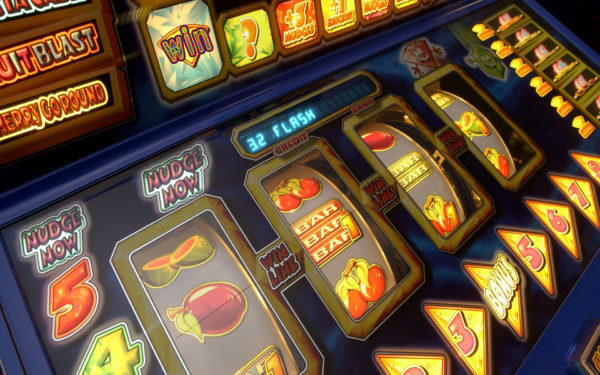
Another common belief is that players can manipulate the outcomes of games through strategies. While some strategies can enhance a player’s experience, it’s essential to understand that gambling outcomes are largely random. Understanding this aspect is vital for responsible financial management when gambling.
The ‘Lucky’ Factor
Many people think that luck plays a significant role in gambling, leading them to believe that certain players are inherently lucky or unlucky. This myth often causes players to develop superstitions, such as wearing specific outfits or avoiding certain words. In reality, luck is just a random occurrence, and believing in lucky charms can distract from making sound decisions.
Moreover, chasing losses based on the idea of luck can lead to poor financial management. It’s crucial for players to recognize that gambling should be approached as entertainment rather than a reliable source of income. This mindset can help mitigate losses and prevent detrimental financial behavior.
The Myth of Skill-Based Games
Another myth is that skill-based games, like poker or blackjack, guarantee consistent winnings for experienced players. While skill can improve one’s chances in these games, it does not eliminate the house edge. Every game is designed to favor the house in the long run, making it vital for players to adopt a realistic perspective on potential outcomes.
This misconception can lead to poor financial decision-making, as players may invest heavily in honing their skills, believing they can consistently beat the odds. Understanding that even the most skilled players can experience losses is crucial for effective financial management in gambling.
Online Gambling Myths
As online gambling grows in popularity, so do the myths surrounding it. One common belief is that online casinos are less trustworthy than traditional casinos. In reality, reputable online gambling platforms operate under strict regulations and ensure fair play through random number generators. Transparency and safety measures are often better in online environments than many physical establishments.
Another myth is that online gambling requires extensive technical skills. Most platforms are designed to be user-friendly and accessible to all players. This misconception can deter individuals from participating in online gambling, missing out on potentially enjoyable experiences and rewards. Players should focus on finding trusted platforms that prioritize user safety.

Final Thoughts on Gambling Myths
Understanding and debunking common myths about gambling can significantly enhance one’s experience and promote responsible play. Awareness of the facts surrounding gambling can help individuals navigate the landscape more effectively while managing their finances wisely. Players should prioritize knowledge over assumptions, leading to a healthier approach.
It’s important to engage with reputable platforms that provide secure environments for online gambling. These sites not only protect users from online threats but also offer valuable resources and information on responsible gaming. Embracing a transparent and informed approach can elevate the overall gambling experience and promote financial well-being.